 info@slec.edu.in
 91 818181 6735
To provide in-depth knowledge in core areas such as Programming, Data Structures, Algorithms, Database Management Systems, Operating Systems, Computer Networks, Artificial Intelligence, and Cloud Computing.

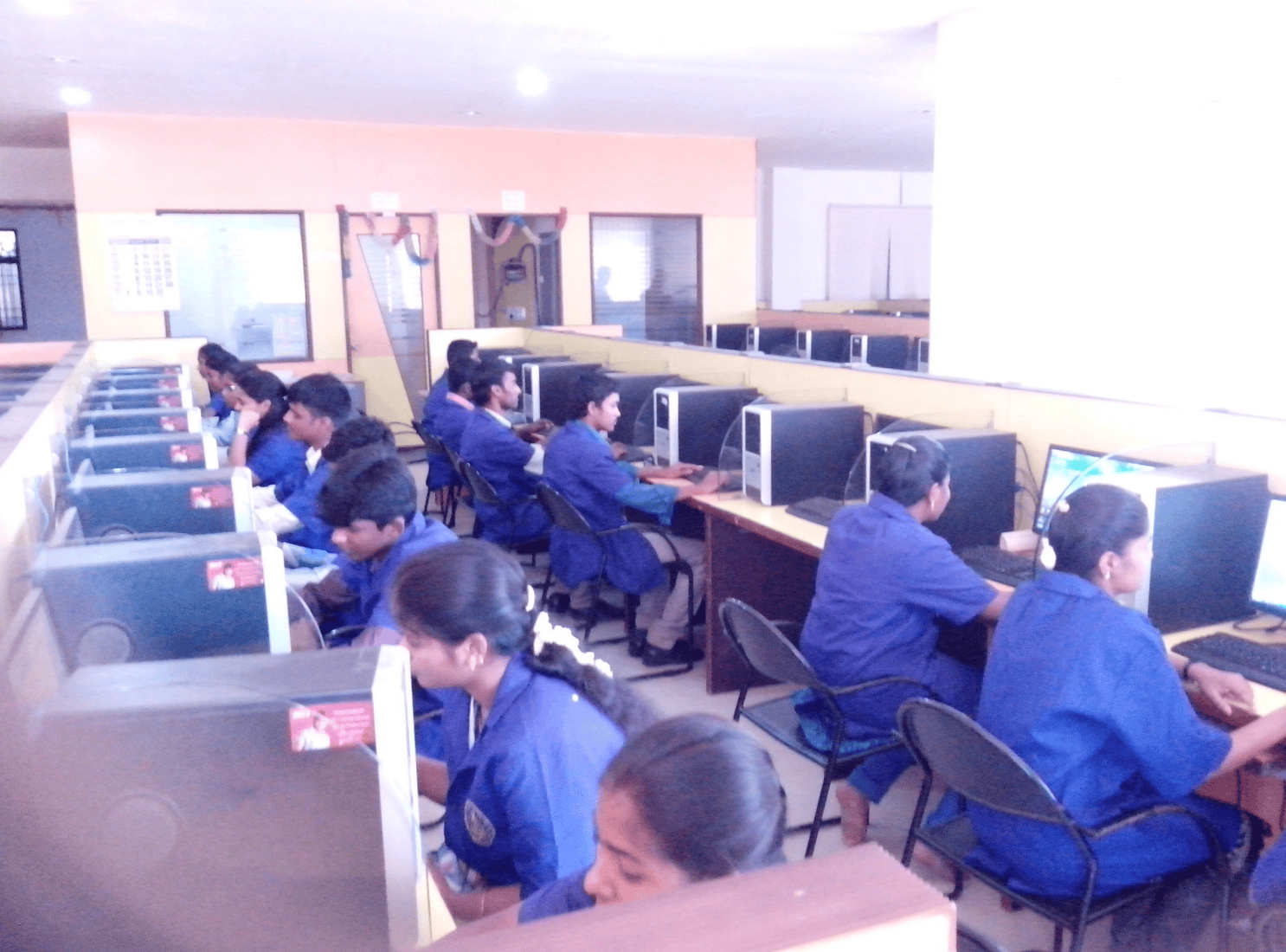
The Department of Computer Science and Engineering at St.Lourdes Engineering College was established in the year 2008, provides an outstanding research environment complemented by excellence in teaching. The Department has state-of-the art laboratories to fulfill the curriculum and Industry collaborated Centers of Excellence (COEs) in Cyber Security, Data Science, Artificial Intelligence Cloud Computing, Front-End Engineering and Full Stack Technology. The Department received the CSI Best Student Chapter award, for the years 2016-2017. Curriculum delivery is implemented using project-based learning, activity based learning and blended learning. AI powered Learning platform to impart Personalized Learning Experience. Digital Course Materials was designed and developed by our team of Faculty for the effective utilization of students in the Teaching Learning process.
The B.E. Computer Science and Engineering (CSE) programme is designed to develop competent professionals with strong theoretical foundations, practical skills, and ethical values to meet the evolving demands of the computing industry and society. The key objectives of the programme are:
To provide in-depth knowledge in core areas such as Programming, Data Structures, Algorithms, Database Management Systems, Operating Systems, Computer Networks, Artificial Intelligence, and Cloud Computing.
To equip students with hands-on expertise through laboratories, project-based learning, internships, and industry-oriented training in emerging technologies.
To cultivate logical thinking, analytical reasoning, and the ability to design efficient and scalable computing solutions for real-world problems.
To promote research aptitude, innovation, and entrepreneurship in cutting-edge areas such as Machine Learning, Data Science, Cyber Security, Blockchain, and IoT.
To prepare students for professional careers in software development, system design, consulting, and higher studies through continuous skill enhancement and certification support.
To inculcate ethical practices, teamwork, leadership qualities, and social responsibility in the application of computing technologies.
To encourage continuous learning and adaptability to technological advancements through higher education, research, and professional certifications.
On successful completion of the program, our graduates will be able to
PO1: Engineering knowledge: Apply the knowledge of mathematics, science, engineering fundamentals, and an engineering specialization to the solution of complex engineering problems.
PO2: Problem analysis: Identify, formulate, review research literature, and analyze complex engineering problems reaching substantiated conclusions using first principles of mathematics, natural sciences, and engineering sciences.
PO3: Design/development of solutions: Design solutions for complex engineering problems and design system components or processes that meet the specified needs with appropriate consideration for the public health and safety, and cultural, societal, and environmental considerations.
PO4: Conduct investigations of complex problems: Use research-based knowledge and research methods including design of experiments, analysis and interpretation of data, and synthesis of the information to provide valid conclusions.
PO5: Modern tool usage: Create, select, and apply appropriate techniques, resources, and modern engineering and IT tools including prediction and modelling to complex engineering activities with an understanding of the limitations.
PO6: Engineer and society: Apply reasoning informed by the contextual knowledge to assess societal, health, safety, legal and cultural issues and the consequent responsibilities relevant to the professional engineering practice.
PO7: Environment and sustainability: Understand the impact of the professional engineering solutions in societal and environmental contexts, and demonstrate the knowledge of, and need for sustainable development.
PO8: Ethics: Apply ethical principles and commit to professional ethics and responsibilities and norms of the engineering practice.
PO9: Individual and teamwork: Function effectively as an individual, and as a member or leader in diverse teams, and in multidisciplinary settings.
PO10: Communication: Communicate effectively on complex engineering activities with the engineering community and with society at large, such as being able to comprehend and write effective reports and design documentation, make effective presentations, and give and receive clear instructions.
PO11: Project management and finance: Demonstrate knowledge and understanding of the engineering and management principles and apply these to one’s own work, as a member and leader in a team, to manage projects and in multidisciplinary environments.
PO12: Life-long learning: Recognize the need for and have the preparation and ability to engage in independent and life-long learning in the broadest context of technological change.
The B.E. Computer Science and Engineering programme prepares graduates for diverse career opportunities across IT industries, product-based companies, research organizations, startups, and government sectors. With rapid advancements in computing technologies, CSE graduates are in high demand globally.
1)In the field of Software Development and Engineering, students can work as Software Developer, Full Stack Developer, Backend Engineer, Frontend Developer, Mobile Application Developer, and Software Test Engineer. These roles focus on designing, developing, testing, and maintaining scalable software systems and applications.
2)In Data Science and Artificial Intelligence, career paths include Data Analyst, Data Scientist, Machine Learning Engineer, Artificial Intelligence Engineer, and Business Intelligence Analyst. These professionals analyze large datasets, build predictive models, and develop intelligent automation solutions for various industries.
3)In Cloud Computing and DevOps, graduates can work as Cloud Engineer, DevOps Engineer, Site Reliability Engineer, and System Administrator. These roles involve managing cloud platforms, automating deployments, ensuring system reliability, and maintaining secure IT infrastructure.
4)In Cyber Security and Network Administration, opportunities include Cyber Security Analyst, Network Engineer, Information Security Analyst, and Security Consultant. These positions focus on protecting organizational systems, networks, and data from cyber threats.
5)Government and Public Sector organizations recruit Computer Science graduates for technical and administrative roles in IT departments, defense services, banking, railways, and public sector undertakings through competitive examinations and direct recruitment processes.
6)Higher Studies and Professional Certifications such as M.E./M.Tech., MBA, MS (Abroad), and certifications in Cloud Computing, Data Science, Cyber Security, and AI further enhance career prospects and global employability.
7)Entrepreneurship Opportunities enable graduates to establish startups in software development, SaaS platforms, AI-based solutions, IT consulting services, and technology-driven innovations.
The Department of Computer Science and Engineering offers various value-added courses to enhance students’ technical competencies, industry readiness, and employability beyond the prescribed curriculum. These courses are designed to bridge the gap between academia and industry requirements.
The key value-added courses offered by the department include:
©️ 2026 ST. Lourdes Engineering College. All Right Reserved. Designed & Developed by
 Innov Touch Technologies Pvt Ltd.