 info@slec.edu.in
 91 818181 6735
To impart in-depth understanding of advanced computing concepts such as Artificial Intelligence, Machine Learning, Data Science, Cyber Security, Cloud Computing, and Distributed Systems.

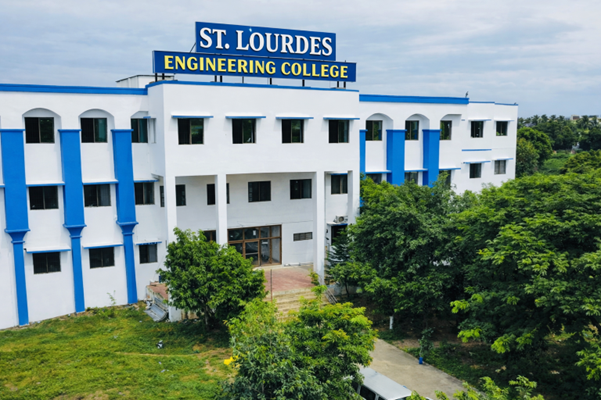
The Department of M.E. Computer Science and Engineering aims to provide advanced knowledge and strong research opportunities in the field of Computer Science. The programme focuses on developing technical skills, innovation, and research ability among postgraduate students.
The Department has well-equipped laboratories in areas such as Artificial Intelligence, Data Science, Cyber Security, Cloud Computing, and Machine Learning. Students are encouraged to work on real-time projects, research publications, and industry-based problems.
Teaching is carried out using project-based learning, seminars, workshops, and blended learning methods. Faculty members provide continuous guidance to help students improve their technical and research skills.
Digital learning materials and modern teaching tools are used to support effective learning. The programme prepares students to become skilled professionals, researchers, and technology experts in advanced computing fields.
The M.E. Computer Science and Engineering (CSE) programme is designed to develop highly skilled professionals and researchers with advanced theoretical knowledge, strong analytical abilities, and innovative thinking to meet the evolving demands of the global computing industry and research community. The programme emphasizes specialization, research orientation, and leadership in emerging technological domains.
To impart in-depth understanding of advanced computing concepts such as Artificial Intelligence, Machine Learning, Data Science, Cyber Security, Cloud Computing, and Distributed Systems.
To cultivate strong research aptitude by encouraging innovation, experimentation, publication, and problem-solving in emerging technological domains.
To strengthen practical skills through advanced laboratories, real-time projects, industry collaboration, and modern development tools.
To enable students to analyze complex computing problems and design scalable, secure, and efficient system solutions.
To prepare graduates for advanced technical roles, consultancy, system architecture, and leadership positions in IT industries and research organizations.
To instill professional ethics, social responsibility, teamwork, and effective communication skills.
To motivate continuous learning, higher research (Ph.D.), certifications, and adaptability to rapidly evolving technologies.
On successful completion of the program, our graduates will be able to
On successful completion of the programme, our graduates will be able to:
PO1: Advanced Engineering Knowledge
Apply advanced knowledge of mathematics, computing principles, and specialized areas of Computer Science to solve complex and research-oriented engineering problems.
PO2: Research and Problem Analysis
Identify, formulate, review research literature, and analyze complex computing problems using advanced theoretical and practical approaches.
PO3: Design and Development of Advanced Solutions
Design and develop innovative, scalable, and secure computing systems or processes that meet specified needs with appropriate consideration for societal and environmental aspects.
PO4: Research-Based Investigation
Conduct investigations using research methodologies, including experimental design, data analysis, simulation, and interpretation to derive valid conclusions.
PO5: Modern Tool Usage
Select and apply advanced computing tools, modeling techniques, and contemporary software technologies for solving complex engineering and research problems.
PO6: Professional and Societal Responsibility
Apply contextual knowledge to assess societal, legal, ethical, and security issues related to advanced computing solutions.
PO7: Sustainability and Emerging Technologies
Understand the impact of computing technologies on society and environment, and contribute towards sustainable and responsible technological development.
PO8: Ethics and Professional Integrity
Demonstrate commitment to professional ethics, research integrity, and responsible engineering practices.
PO9: Leadership and Teamwork
Function effectively as an individual researcher, team member, or leader in multidisciplinary and diverse environments.
PO10: Technical Communication
Communicate effectively through technical reports, research publications, presentations, and documentation in professional and academic contexts.
PO11: Project and Research Management
Apply management principles and financial awareness in handling research projects, consultancy assignments, and technology development initiatives.
PO12: Lifelong Learning
Engage in continuous learning, higher research, professional certifications, and adaptation to rapidly evolving computing technologies.
The M.E. Computer Science and Engineering programme prepares graduates for advanced technical, research, and leadership roles in IT industries, product-based companies, research organizations, academia, startups, and government sectors. With specialization in emerging technologies, postgraduate students gain opportunities in high-end development, system architecture, and innovation-driven careers.
1) Advanced Software Development and System Architecture
Graduates can work as Senior Software Engineer, Solution Architect, Technical Lead, Full Stack Architect, Systems Engineer, and Product Development Engineer. These roles focus on designing scalable enterprise systems, distributed applications, and high-performance computing solutions.
2) Artificial Intelligence and Data Science
Career roles include Data Scientist, Machine Learning Engineer, AI Research Engineer, Deep Learning Specialist, and Analytics Consultant. Professionals in this field design intelligent systems, predictive models, and automation solutions across industries.
3) Research and Development (R&D)
Opportunities exist as Research Engineer, R&D Specialist, Innovation Engineer, and Research Associate in research labs, multinational companies, and technology centers. Graduates may also pursue doctoral studies (Ph.D.) in cutting-edge computing domains.
4) Cloud Computing, DevOps and Infrastructure Engineering
Roles such as Cloud Architect, DevOps Lead, Site Reliability Engineer, and Infrastructure Consultant involve designing secure cloud environments, managing scalable systems, and optimizing enterprise infrastructure.
5) Cyber Security and Information Assurance
Career paths include Cyber Security Specialist, Security Architect, Information Security Consultant, and Risk Analyst, focusing on advanced security frameworks, threat analysis, and enterprise data protection.
6) Academic and Teaching Careers
Postgraduates can pursue careers as Assistant Professors, Academic Researchers, and Technical Trainers in engineering institutions and universities.
7) Government and Public Sector Opportunities
M.E. CSE graduates are eligible for higher-level technical and research roles in government organizations, defense services, public sector undertakings, and research agencies.
8) Entrepreneurship and Technology Consulting
Graduates can establish technology startups, AI-based solution firms, SaaS platforms, research consultancy services, and innovation-driven enterprises.
The Department of M.E. Computer Science and Engineering offers value-added courses to enhance students’ advanced technical skills, research capabilities, and industry readiness beyond the regular curriculum. These courses focus on emerging areas such as Artificial Intelligence, Data Science, Cyber Security, and Cloud Computing, providing hands-on training and industry-oriented exposure. They help students strengthen employability, research competence, and professional growth.
The key value-added courses offered by the department include:
©️ 2026 ST. Lourdes Engineering College. All Right Reserved. Designed & Developed by
 Innov Touch Technologies Pvt Ltd.